
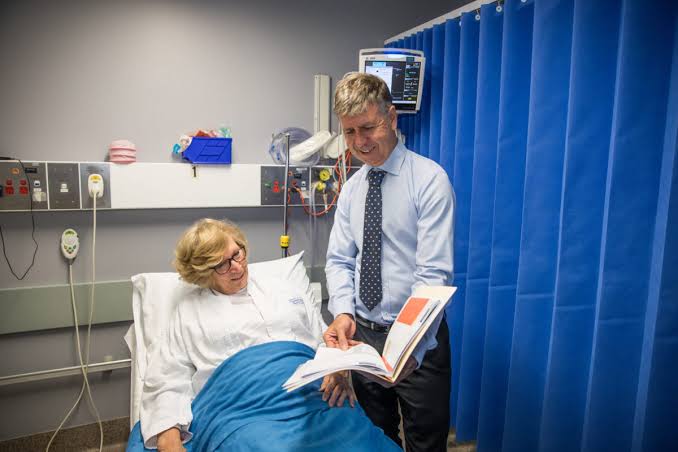

It is easy to think of angiography as just another scan, something you book, show up for and finish within a day. But it involves placing a catheter into an artery, using contrast dye and working close to the heart. That does not make it dangerous in expert hands, but it does mean it should be recommended and planned with care. Proper medical guidance before angiography in Raipur, or anywhere, protects you in several ways.
Making sure it is the right test
Angiography is not a screening test for healthy people. It is generally advised when there is a good reason to look directly at the arteries: significant symptoms, abnormal stress test results, a heart attack or a pre-operative need. A cardiologist can tell you whether your situation justifies it, or whether a less invasive test or simply a change of medicines may be enough. Guidance helps you avoid both unnecessary procedures and missed opportunities.
Weighing benefit against risk, for you
Every invasive procedure carries some risk, and the balance is different for each person. An older patient with kidney disease and diabetes faces different considerations than a younger one with normal kidneys. A doctor who knows your history can explain what applies to you, instead of leaving you to rely on generalisations.
Protecting the kidneys
Contrast dye is cleared by the kidneys, so people with reduced kidney function need special care. Before the procedure, your doctor will usually review your kidney tests and may adjust medicines, advise hydration and use the smallest practical amount of dye. Skipping this step, or ignoring a known kidney problem, can lead to avoidable harm.
Managing blood thinners and diabetes medicines
Medicines that thin the blood or lower blood sugar need thoughtful handling around the procedure. Stopping a blood thinner without advice can raise the risk of clots, while continuing it when it should be paused can raise bleeding risk. Some diabetes medicines also require adjustments around contrast dye. Only a doctor who knows your full list can give safe instructions.
Identifying allergies and special situations
A conversation beforehand brings out information that could change the plan: allergies to dye or medicines, asthma, bleeding disorders, previous stents or surgeries, pregnancy, or a pacemaker. If something is missed, the team may not be prepared for it. Medical guidance is partly about asking the right questions.
Informed consent that means something
Consent should reflect real understanding of what the procedure involves, what it may find and what could happen if a stent is needed. A rushed signature on a form is not the same as being informed. Time spent with a doctor beforehand allows you to ask questions and decide with confidence.
Avoiding the pitfalls of online advice
Searching the internet can leave patients with frightening stories or oversimplified claims. Some read that angiography is “always safe” and ignore real precautions, while others read that it is “dangerous” and refuse a test they genuinely need. A doctor can put information in proportion and respond to your specific concerns.
Preparing mentally and practically
Guidance also covers the logistics: fasting, what to bring, how long you will stay, who should accompany you and what recovery looks like. Patients who know what to expect tend to feel calmer and cooperate better, which helps the procedure go smoothly.
Planning for the result
The findings may reassure you, may lead to medicines or may prompt a stent or other treatment. Discussing these possibilities beforehand means decisions made later are not rushed or confusing. You can also talk about when a second opinion makes sense.
Afterwards, the story continues
Guidance does not end when the catheter comes out. Your doctor explains the results, adjusts treatment and plans follow-up. Angiography is a step in a longer process of care, and its value depends on what is done with the information.