
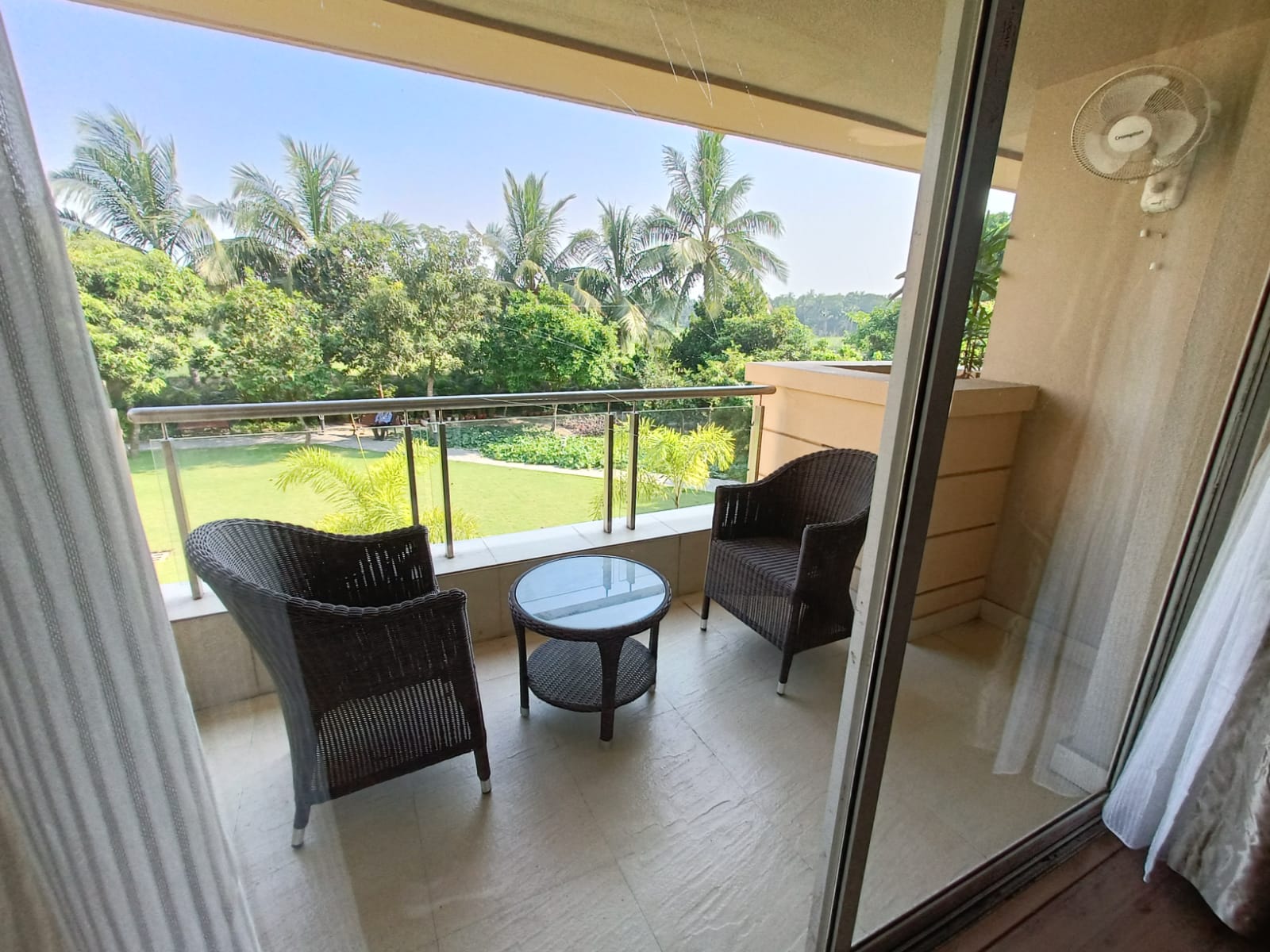

Choosing the right health insurance plan for elderly parents in India requires answering five parent-specific questions before comparing any plan: what pre-existing conditions does the parent have, does the parent already hold government scheme coverage, how likely is hospitalisation within the next one to two years, which hospitals does the family prefer, and what is the premium budget. The answers to these five questions determine which policy terms matter most — and which plans best satisfy them. The senior citizen care services team at Jagriti Dham by Infinity Group near Joka, Amtala asks exactly these five questions for every new resident and uses the answers to guide the right insurance choice for each individual profile.
The most common health insurance mistake families make for elderly parents is choosing a plan based on premium alone — without understanding how the co-pay clause, room rent limit, or pre-existing disease waiting period will affect the actual claim when it is made. A plan that looks affordable at purchase can produce significant out-of-pocket costs at hospitalisation if these terms are not assessed against the parent’s specific health profile. The decision framework below produces the right choice for each parent’s situation. The senior citizen care services team at Jagriti Dham near Joka applies this framework for every resident — ensuring the plan chosen matches the health profile it needs to protect.
Five Questions That Determine Which Health Insurance Terms Matter Most for Each Elderly Parent — and How Each Answer Maps to a Specific Policy Priority
The five questions below should be answered before any plan is compared — because the answers determine which policy terms are critical for each specific parent:
What pre-existing conditions does the parent have? The parent’s existing diagnoses determine how critical the pre-existing disease waiting period is. A parent with Type 2 diabetes, hypertension, or cardiac conditions is most likely to be hospitalised for a PED-related event — making a short waiting period the highest-priority policy term. Star Senior Citizens Red Carpet covers PED after 12 months — the shortest available — making it the strongest choice for this profile. The senior citizen living homes in Kolkata at Jagriti Dham document every resident’s medical history at onboarding to ensure PED waiting period assessment is accurate.
Does the parent already hold government scheme coverage? A parent who holds both the Ayushman Vay Vandana Card (Rs 5 lakh) and West Bengal’s Swasthya Sathi (Rs 5 lakh) already has Rs 10 lakh of cashless hospitalisation coverage at empanelled hospitals. For this profile, the private plan should fill the non-empanelled hospital gap and OPD coverage — not duplicate existing hospitalisation coverage. The assistance living for seniors guidance at Jagriti Dham maps each resident’s government coverage before recommending any private plan sum insured.
How likely is hospitalisation within one to two years? For a parent with advanced age, multiple chronic conditions, or a recent acute event, hospitalisation within one to two years is probable — making the PED waiting period and the co-pay clause the most critical terms. For a relatively healthy senior in their early sixties, a two-year PED waiting period on a zero-co-pay plan may be more appropriate. The assisted elderly living care team at Jagriti Dham assesses each resident’s clinical risk profile before making a waiting period recommendation.
Which hospitals does the family prefer — empanelled or non-empanelled? Families who prefer specific private hospitals outside the government empanelled network need a private insurance network that includes those hospitals. Care Supreme’s 21,600+ provider network and Niva Bupa ReAssure’s wide network suit this preference. The assisted living facilities for elderly hospital coordination at Jagriti Dham helps families confirm network coverage for preferred hospitals before plan selection.
What is the annual premium budget, and does it match the coverage gap? The premium budget should be assessed against the coverage gap the plan fills — not the headline sum insured. A parent with Rs 10 lakh government coverage needs private insurance for OPD and non-empanelled hospitals, not a duplicate hospitalisation plan. The assisted living for elderly at Jagriti Dham calculates each resident’s effective coverage gap before recommending a premium range.
What Are Two Senior Citizen Health Profiles and the Right Plan Choice for Each, Guided by the Senior Citizen Care Services Team at Jagriti Dham
The five-question framework produces different recommendations for different profiles — two examples show how the mapping works in practice:
72-Year-Old with Diabetes & Hypertension (No Private Insurance): For this profile, the PED waiting period is the priority. Star Senior Citizens Red Carpet — which covers diabetes and hypertension after 12 months — is the strongest recommendation. The 30 per cent co-pay is a known cost, but the 12-month window to full PED coverage outweighs the co-pay disadvantage for a resident with active chronic conditions. If Rs 10 lakh in government scheme coverage is already in place, the private plan covers the non-empanelled gap and specialist events at Rs 5–10 lakh sum insured. The assisted living for elderly people at Jagriti Dham uses this framework for every resident in this profile category.
65-Year-Old in Good Health (Moderate Premium Budget): For this profile, zero co-pay and no room rent limit are the priorities — because when hospitalisation occurs, it is most likely to be for an acute or unexpected condition rather than a PED-related event. HDFC ERGO Optima Secure’s zero co-pay, no room rent limit, and 4x coverage benefit make it the strongest recommendation — with the higher premium reflecting the cleaner coverage terms. The assisted living seniors financial planning at Jagriti Dham identifies this profile during onboarding and makes the Optima Secure recommendation where the premium budget allows. Families can review the full planning service at the assisted elderly living listing — where the full administrative and financial guidance standard at Jagriti Dham is described.
When to review the plan — and how Jagriti Dham manages the annual review. A health insurance plan chosen correctly at entry may become less appropriate as the resident’s health profile changes — and the annual renewal period is the moment to reassess. The Jagriti Dham team reviews each resident’s insurance plan annually — checking whether the plan’s terms still match the resident’s health profile, whether a new diagnosis has changed the PED waiting period assessment, and whether the government scheme coverage has changed in a way that affects the private plan requirements. The assistance living for seniors guidance at Jagriti Dham treats annual insurance review as a residential standard — because the right plan for a resident at 70 may not be the right plan at 75.
5 Questions, Right Plan, Annual Review: Effortless Insurance at Jagriti Dham
Choosing the right health insurance plan for an elderly parent requires five parent-specific questions answered before any plan comparison begins — and the answers produce a clear recommendation for each profile. Families at the senior citizen care services community at Jagriti Dham by Infinity Group near Joka, Amtala benefit from a team that applies this framework at onboarding, recommends the right plan, manages the application, and reviews the choice every year — so that the plan always matches the parent it is protecting.
Frequently Asked Questions
Q1. For an 80-year-old parent who has never held private insurance, is it still possible to get a policy, and which plans accept them?
Several 2026 plans accept new policyholders at 80 and above. HDFC ERGO Optima Secure, Care Supreme, and Aditya Birla Activ One MAX carry no maximum entry age limit; Niva Bupa ReAssure 2.0 accepts entry up to 99 years. The practical consideration is pre-medical screening — conditions identified are excluded or subject to a waiting period. The Jagriti Dham team advises on which plans offer the most favourable underwriting terms at age 80 and manages the screening and application process.
Q2. How does the porting process work if we want to switch insurers due to poor claims service?
Health insurance portability allows a policyholder to move insurers at renewal without losing the PED waiting period credit accumulated on the existing policy. The porting application must be submitted to the new insurer at least 45 days before the renewal date. The Jagriti Dham team manages this process for residents, identifying the best destination plan, confirming the transfer of waiting period credits, and submitting the paperwork within the required window.
Want the right health insurance recommendation for your parent at Jagriti Dham near Joka?
Book a scheduled visit — ask the administrative team how the five-question insurance framework works for every resident.
About Jagriti Dham
This guide was curated by the Jagriti Dham team (www.jagritidham.com). Jagriti Dham is Kolkata’s most luxurious senior citizen home and Eastern India’s first Indian Green Building Council-certified green senior living facility, situated near Joka, Amtala in South Kolkata. A project of the Infinity Group, Jagriti Dham is envisioned as a centre of excellence, promoting active ageing and aiming to build an age-integrated society — where elders can live independently while receiving the best possible care. Unlike other old age homes, Jagriti Dham’s vision extends beyond the walls, giving elders a hassle-free life in a peaceful, like-minded community.
Follow us: Facebook | YouTube | Google My Business | LinkedIn | Instagram