
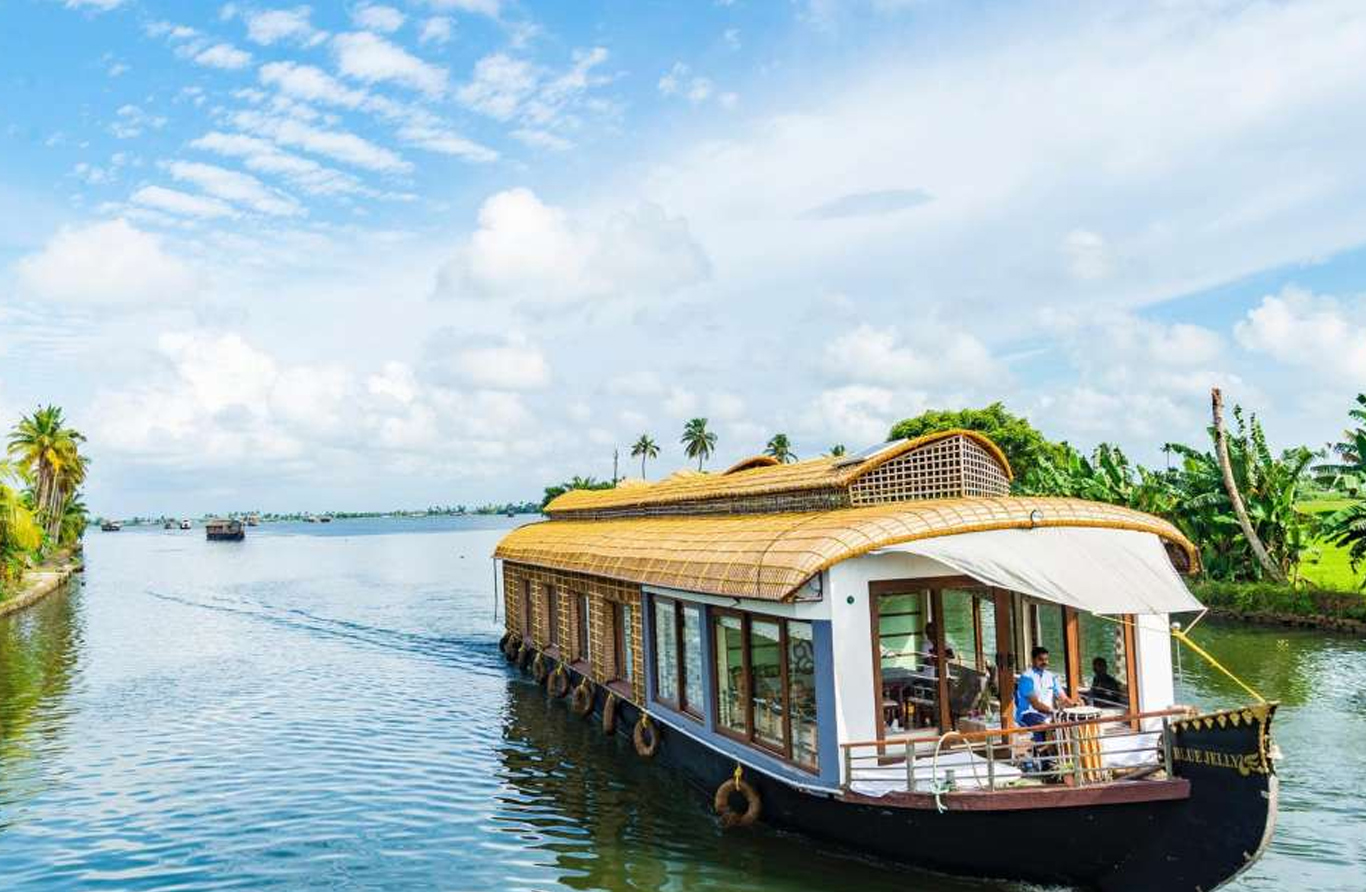

The tranquil backwaters of Kerala have long been a symbol of slow, mindful travel. Gliding through narrow canals lined with swaying coconut palms, watching fishermen cast their nets, and savoring simple Kerala meals aboard a floating home — it’s a dream many travelers chase. But today, more visitors are asking an important question: Can this experience be sustainable?
As tourism grows, so does its impact. Fortunately, the concept of eco-friendly houseboats in Kerala is taking root. From solar-powered systems to waste management practices, new initiatives aim to protect these fragile waterways for generations to come.
If you’re planning a trip, this guide unpacks how you can enjoy an Alleppey houseboat responsibly, what makes certain boats “eco-friendly,” and how to spot authentic efforts versus mere marketing.
Why Kerala’s Backwaters Need Protection
Before diving into green tourism, it helps to understand why it matters here.
Kerala’s backwaters are an intricate network of lakes, lagoons, rivers, and canals stretching over 900 km. They’re home to countless birds, fish, and rural communities that depend on these waters for farming, fishing, and transportation.
But in recent years, the growing fleet of houseboats — over 1,000 in Alleppey alone — has put pressure on the ecosystem. Diesel engines leak traces of oil, improper waste disposal leads to pollution, and mass tourism threatens delicate aquatic life.
This is why eco-friendly houseboats in Kerala aren’t just a travel trend. They’re vital for preserving a way of life and the natural balance of the backwaters.
What Makes a Houseboat Eco-Friendly?
Not every boat house Alleppey can claim to be sustainable just because it’s pretty. True eco-friendly houseboats integrate several green practices. Look for:
Solar Power
Instead of relying solely on diesel generators, many newer houseboats use solar panels to power lighting, fans, and even air conditioning. This significantly cuts down fossil fuel use and noise pollution.
Waste Management Systems
Responsible houseboats treat sewage onboard using bio-tanks or ensure waste is collected and processed on land. This prevents contamination of water channels villagers rely on daily.
Non-toxic Paints and Building Materials
Some sustainable houseboats are built with responsibly sourced wood and use paints or varnishes free from harmful chemicals that can leach into the water.
Plastic-Free Operations
Quality eco houseboats aim to minimize single-use plastics, offering filtered water in glass or steel bottles, using steel straws, and serving food on banana leaves.
Local Sourcing
From the fish on your plate to the coir mattress you sleep on, truly green operators emphasize local, seasonal sourcing — reducing transport emissions and supporting nearby communities.
How to Choose an Eco-Friendly Houseboat in Kerala
Travelers often get overwhelmed with websites all claiming to be “the best.” Here’s how to navigate that noise and genuinely support sustainable operators.
Check Certifications
Some houseboats carry eco-certifications from Kerala’s Tourism Department or independent environmental agencies. While not foolproof, it shows at least a commitment to standards.
Ask Specific Questions
Instead of accepting generic “yes, eco-friendly!” answers, ask:
- How do you handle sewage and waste?
- Is your lighting solar-powered?
- Do you offer filtered water instead of plastic bottles?
- Do you use biodegradable cleaning agents?
Good operators will happily explain their practices.
Read Reviews
Guests often notice and mention eco efforts, whether it’s seeing solar panels on the roof or being served water in clay cups. These small details indicate sincerity.
Sample Eco-Friendly Houseboat Experience: A Day on the Backwaters
Here’s how a day might unfold on an eco-friendly Alleppey houseboat.
Morning
Board your boat around noon. Your crew welcomes you with a glass of tender coconut water — no plastic packaging. As you settle into the bamboo-finished lounge, you’ll notice LED lighting powered by rooftop solar panels.
Cruising begins quietly, without the loud engine noise some older boats make. The crew explains that solar systems handle basic power needs, with minimal generator use only when required.
Lunch
Your meal is served on banana leaves — a traditional, biodegradable alternative. Expect local red rice, vegetable thoran, spicy fish fry, and homemade pickles. Ingredients are bought fresh from Alleppey’s local markets.
Afternoon Cruise
Sail past small canals where villagers wash clothes and children wave from banks. Because eco-friendly operators often prioritize less crowded routes, you see fewer boats, more birds.
Your captain points out kingfishers, darters, and even the occasional otter, all thriving because cleaner waters support healthier fish populations.
Evening
As the sun sets, the boat anchors near a quiet village. Solar lamps light up your deck. Dinner might be vegetable stew with appam, again served plastic-free. Later, lie back and watch the stars — a simple joy in areas with minimal light pollution.
Staying Overnight? Here’s What to Expect
Most Alleppey boat house packages offer overnight stays. In eco-friendly boats:
- Air conditioning often runs on a hybrid model (part solar, minimal diesel).
- Waste from the bathroom is treated via onboard bio-digesters, preventing it from being dumped directly.
- Morning tea is served in clay or steel cups.
You wake to mist rolling over the water, hearing temple bells and fishermen setting out in small canoes. It’s proof that sustainable travel doesn’t sacrifice comfort — it simply means your stay doesn’t harm the environment you came to admire.
Why an Eco-Friendly Boat House Alleppey Costs a Bit More
Travelers sometimes wonder why these boats charge higher rates. The reasons are practical:
- Solar installations, proper waste systems, and safe building materials cost more upfront.
- Hiring skilled local staff and sourcing organic food can be pricier than mass-market supplies.
- Maintaining quieter, well-tuned engines means investing regularly in servicing.
But what you pay ensures that the waterways remain clean, wildlife is less disturbed, and local communities continue to benefit long-term.
Other Responsible Travel Tips While on a Houseboat
Being an eco-conscious traveler isn’t just about the operator. Small choices you make matter too.
- Carry your own refillable water bottle. Even eco-boats often refill filtered water.
- Skip chemical-heavy sunscreens that wash off into the water. Opt for reef-safe or natural brands.
- Avoid throwing anything — even biodegradable waste like fruit peels — overboard. It disrupts aquatic balance.
- Limit long showers. Water, especially on a boat, is precious.
- Tip the crew fairly. Many eco-operators hire from local fishing families, offering them better income.
How Does This Help Answer: Is Kerala Houseboat Safe?
When travelers ask “Is Kerala houseboat safe?”, they often mean two things: is it physically secure, and is it environmentally ethical?
On eco-focused boats, the answer is a strong yes. They’re built to modern safety standards, follow anchoring rules to avoid night accidents, and prioritize routes that minimize environmental stress. Plus, by choosing sustainable options, you help keep the ecosystem stable — making it safer for everyone, including future travelers.
Future of Eco-Friendly Houseboats in Kerala
The good news is more houseboat owners are waking up to the importance of sustainability. New government policies encourage solar adoption, strict fines are imposed for illegal waste dumping, and travelers are increasingly vocal about wanting green options.
Soon, you may see:
- Entire fleets powered primarily by renewables.
- Community-led certification programs recognizing truly eco-friendly operators.
- Collaborations with conservation groups to monitor fish stocks and bird health.
As a traveler, each time you pick an eco-friendly houseboat in Kerala, you’re casting a vote for this future.
Key Takeaways for Your Next Alleppey Houseboat Trip
- Look beyond price. A few hundred rupees saved isn’t worth polluting these delicate waterways.
- Ask direct questions about waste and power. It shows operators that travelers care, encouraging more boats to adopt eco practices.
- Support local. Whether it’s buying handmade coir products onshore or enjoying toddy at a small riverside stall, your rupees help sustain rural livelihoods.
Above all, remember that the very charm of an Alleppey boat house is tied to its unspoiled environment. Clean water, rich birdlife, thriving fish, and healthy mangroves are not just scenery — they’re essential to the backwater experience.
Final Thoughts on Choosing an Eco-Friendly Houseboat in Kerala
A houseboat trip through Alleppey’s backwaters is unforgettable. But it becomes even more meaningful when you know your journey didn’t come at the cost of the ecosystem that makes it beautiful.
By opting for an eco-friendly houseboat in Kerala, you’re doing more than booking a stay. You’re participating in a larger story — one where travel and conservation walk hand in hand. You return home with photographs and memories, while the backwaters continue to flourish for the next traveler, and the next.